
Mindfulness Meditation for Beginners: Getting Started
Learn simple meditation techniques you can practice in 10 minutes. No experience needed, just a quiet space and willingness to try.

Why Start Meditating Now?
We’re living in stressful times. Work deadlines, family responsibilities, social media noise — it’s constant. You’re probably here because you’ve noticed the weight of it. That tension in your shoulders, the racing thoughts at night, that feeling of being stretched too thin.
Here’s the thing: meditation isn’t about emptying your mind or becoming some zen master. It’s about training your attention. Like lifting weights builds muscle, meditation practice builds your ability to notice what’s happening without getting swept away by it. Even 10 minutes can shift how you respond to stress.
Most people think they’re “bad” at meditation because their mind wanders. That’s actually the whole point. The wandering is the workout. You notice your mind drifted, then gently bring it back. That’s the practice.

The Three Foundations
Before you sit down, understand what you’re actually doing. Mindfulness meditation has three core pieces that work together.
1. Body Awareness
You’re paying attention to physical sensations — breath moving in and out, weight on the seat, hands resting on your lap. This anchors your attention in the present moment instead of letting it chase thoughts.
2. Gentle Noticing
Thoughts, emotions, and sensations will arise. You’re not fighting them. You’re just observing. “Oh, there’s that worry about tomorrow.” Then returning focus to your breath. It’s non-judgmental observation.
3. Consistency Over Duration
Five minutes daily builds better habits than one 60-minute session monthly. Your brain responds to regularity. Even 10 minutes each morning creates measurable changes in how you handle stress within 3-4 weeks.
Your First 10-Minute Meditation
This is a practical, straightforward technique you can start today.
Find Your Spot
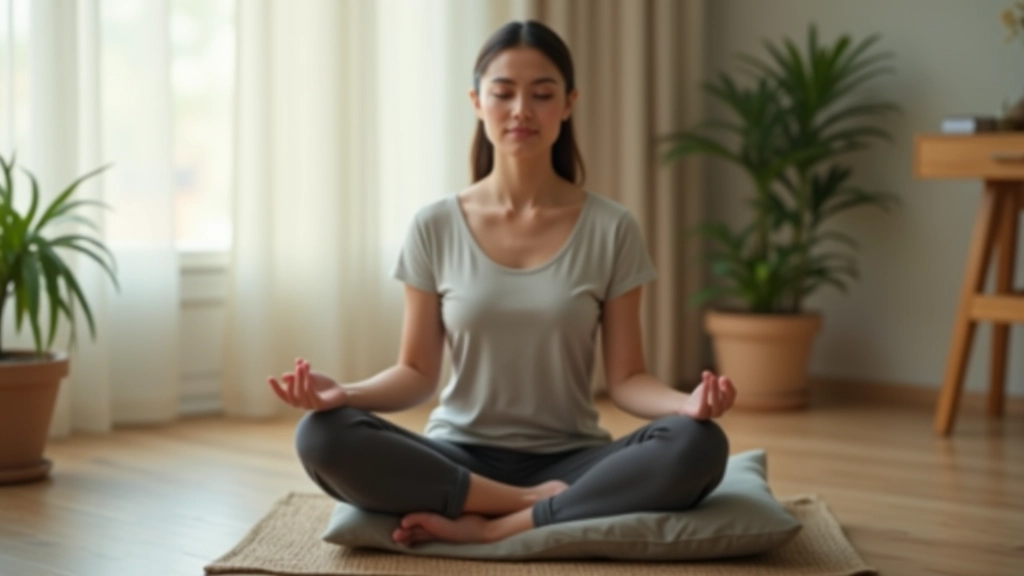
Choose somewhere quiet. Doesn’t need to be perfect. A corner of your bedroom, a chair in the living room — anywhere you won’t be interrupted for 10 minutes. Sit upright but not rigid. Feet flat on the floor or legs crossed. Hands can rest on your knees or in your lap.
Close Your Eyes Gently
Softly close your eyes. You’re not trying to relax yet — just closing them. Let your attention turn inward. This simple action signals to your brain that something different is happening. It’s the beginning of the transition.
Notice Your Natural Breath
Don’t change how you’re breathing. Just observe it. Where do you feel the breath? Your nostrils? Your chest rising and falling? Your belly expanding? Find one place and settle your attention there. This is your anchor point for the next 10 minutes.
When Your Mind Wanders, Return Gently
It will wander. In about 30 seconds it’ll probably wander. That’s completely normal. You’ll notice you’re thinking about work or what’s for dinner. Then you just come back. Gently. No frustration. Coming back IS the practice, not a sign you’re failing.
End Slowly
When your 10 minutes are done, don’t jump up immediately. Sit quietly for another 30 seconds. Notice how your body feels. Then slowly open your eyes and transition back to your day. This gentle ending helps consolidate what you’ve just practiced.

Real Challenges You’ll Face
Let’s be honest about what actually happens when you start meditating.
Your mind goes crazy at first
Days 1-3 you’ll notice how much your mind actually jumps around. It’s not that meditation made your mind busier — it just made you aware of what was already happening. Your attention span might feel like it’s 10 seconds. That’s okay. You’re literally training this.
Restlessness is real
Sitting still feels uncomfortable. You might feel an urge to move, check your phone, or just quit. This usually peaks around day 4-5 then settles. Your body’s used to stimulation. Stillness feels strange at first, but it genuinely passes.
You’ll question if it’s working
The benefits aren’t always immediate. But around week 3-4, people notice they react differently to frustrations. Traffic doesn’t wind them up as much. Arguments feel less heated. You’re not suppressing feelings — you’re just less reactive to them.
Practical Tips to Stick With It
These aren’t fancy techniques. They’re just ways real people actually maintain the practice.
Morning Is Easier
Meditating first thing — even 5 minutes before coffee — works better than trying to fit it in later. Your mind’s quieter. You haven’t accumulated the day’s stress yet. Set it as a habit right after waking up.
Phone Stays Away
Put it in another room. Don’t just silence it. The temptation to check it is real. You’re training focus. That’s impossible if your phone’s nearby. Ten minutes without it won’t hurt, and your meditation will be cleaner.
Consistency Beats Duration
Five minutes every single day is better than 20 minutes once a week. Your brain builds neural pathways through repetition. Small regular practice compounds. After 30 days you’ll notice a real difference.
Use a Timer
Don’t meditate with one eye open checking the clock. Set a gentle alarm for 10 minutes. This way you can actually settle in instead of wondering how much time’s left. Most phones have meditation timer apps.
Environment Matters
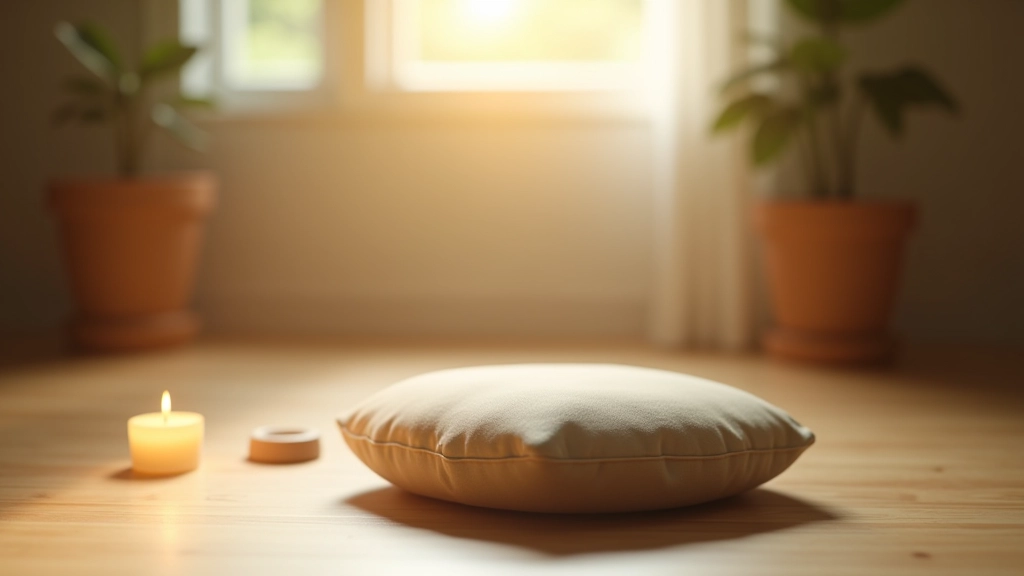
You don’t need incense or special cushions. But a clean, calm space helps. If you’re meditating in a noisy place, that’s okay — just acknowledge the noise and return to your breath. Consistency of location builds habit.
Track Your Days
Mark an X on a calendar for each day you meditate. This visual progress is powerful. You don’t want to break the chain. It’s a simple motivator that works better than motivation based on feelings.

You’re Ready to Begin
Meditation isn’t complicated. It’s just attention training. Your mind wanders, you notice it, you bring it back. That’s the whole thing. Ten minutes, five times a week is genuinely enough to feel different.
The hardest part isn’t the meditation itself — it’s starting. You don’t need a special app or perfect conditions. You need a quiet spot, 10 minutes, and willingness to show up. Even on days when your mind feels like a chaos factory, you’re still building the skill.
Start this week. Not next month. Pick a time tomorrow morning and do 10 minutes. You’ll probably feel a bit awkward. That’s completely normal. By week three, you’ll notice stress slides off easier. By week eight, people might ask what’s different about you. That’s when you know it’s working.
Your action today: Set a time tomorrow morning. Find a quiet spot. Sit down for 10 minutes and follow the five-step process. That’s it. Everything else is just showing up tomorrow and doing it again.

Important Disclaimer
This article provides educational information about mindfulness meditation techniques for general stress awareness. It’s not a substitute for professional mental health treatment. If you’re experiencing severe anxiety, depression, trauma, or other mental health conditions, please consult with a qualified mental health professional or medical doctor. Meditation can be helpful as a complementary practice alongside professional treatment, but it shouldn’t replace it. Everyone’s experience with meditation is different — what works for one person may need adjustment for another. If you have medical conditions affecting your breathing or physical ability to sit, check with your healthcare provider first.
Continue Your Learning