Body-Based Stress Relief: Movement and Breathing Exercises
Practical techniques you can do anywhere — breathing methods, stretching, and gentle movement that calm your nervous system when you need it most.
Why Your Body Matters for Stress Relief
When you’re stressed, your body tenses up. Your shoulders creep toward your ears. Your breathing becomes shallow. Your muscles feel tight. That’s not just in your head — it’s real physical stuff happening right now.
Here’s the good news: you can reverse it. By working with your body instead of against it, you can calm your nervous system down. It’s not complicated. It doesn’t require equipment. You can do it at your desk, in your car, or anywhere you have two minutes.
This isn’t about becoming a yoga instructor or meditating for hours. It’s about understanding how movement and breathing work to bring your stress levels down — fast.
The 4-7-8 Breathing Technique
One of the simplest ways to activate your parasympathetic nervous system — the part that tells your body to relax.
This technique takes about two minutes. You don’t need any experience. It works by slowing your heart rate and sending a signal to your brain that you’re safe.
Exhale completely
Let all the air out of your lungs. Make a whooshing sound if you want.
Inhale for 4 counts
Breathe in slowly through your nose, counting to four in your head.
Hold for 7 counts
Keep the air in your lungs and count slowly to seven. Don’t force it.
Exhale for 8 counts
Slowly release the breath through your mouth over eight counts. This is the calming part.
Repeat this cycle four times when you first try it. You’ll likely notice your shoulders drop and your jaw relax within minutes.

Simple Stretches That Release Tension
Tension lives in your shoulders, neck, and lower back. You probably don’t even notice it until someone points it out. These three stretches take five minutes total and they’ll make a real difference.
Neck Rolls
Slowly roll your head in circles. Forward, then left, then back, then right. Do five rolls each direction. You’ll feel the tightness release as you go.
Shoulder Shrugs
Lift both shoulders toward your ears, hold for two seconds, then drop them suddenly. Repeat eight times. Your whole upper body will feel lighter.
Spinal Twist
Sit with good posture and gently twist your torso to the right, holding for 15 seconds. Repeat on the left. This stretches your back and helps digestion.
Gentle Movement for Daily Practice
You don’t need to run or do intense exercise to calm stress. Sometimes the slowest movements are the most powerful.
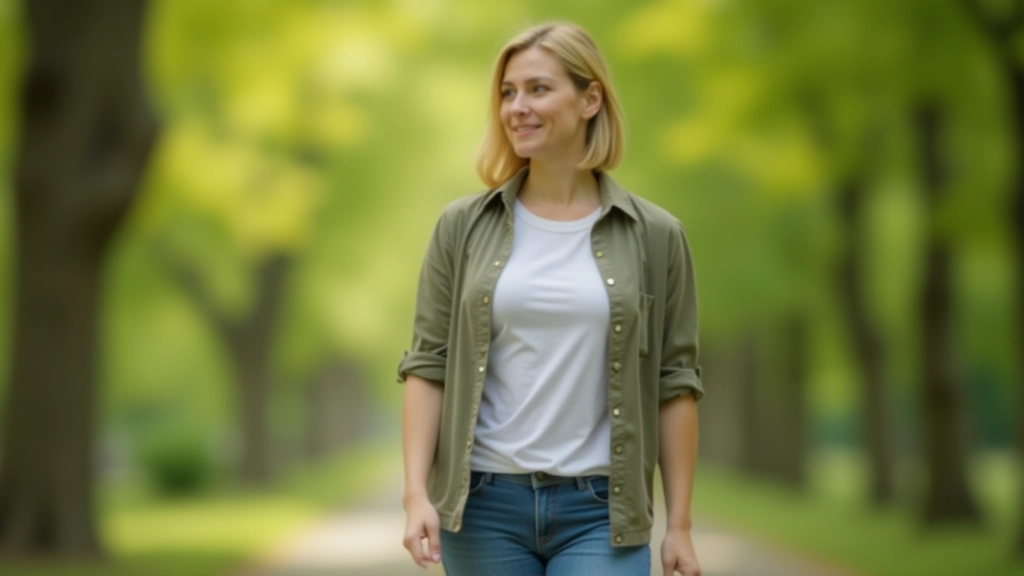
Walking — real, intentional walking — is one of the best stress relief tools available. Not rushing somewhere. Just walking at a normal pace for 10-15 minutes. You’ll notice your mind quiets down. Your breathing naturally slows. Your body stops fighting itself.
Progressive muscle relaxation is another approach. Tense each muscle group in your body for five seconds, then release. Start with your feet and work upward. This teaches your body what real relaxation feels like because you experience the contrast.
The key is consistency. You don’t need 60 minutes. Even five minutes of deliberate breathing or gentle movement most days will reshape how your body responds to stress.
When and How Often to Practice
The best time to practice these techniques is before stress hits. Not during the crisis — before. Think of it like strengthening a muscle. You don’t wait until you need it. You build capacity ahead of time.
Morning is ideal. Even two minutes of breathing exercises right after you wake up sets your nervous system up for the day. Your stress threshold automatically becomes higher.
You can also practice at lunch, during a break, or before bed. The timing matters less than the consistency. Three or four times per week is enough to see real changes in how you handle stress. Some people notice differences within days.
Pro tip: Keep it simple. Pick one breathing technique and one stretch routine. Master those before adding more. Complexity gets in the way of actually doing it.
Start Where You Are
You don’t need permission to feel better. You don’t need to be a yoga expert or meditation master. You just need to understand that your body has built-in tools to manage stress, and they’re available right now.
Try the 4-7-8 breathing technique this week. Do the three stretches tomorrow. Take a 15-minute walk. Notice what happens. Most people see real changes within days because these aren’t complicated. They’re direct.
Your nervous system is waiting for you to use these tools. It’s that simple.
Important Disclaimer
This article provides educational information about breathing and movement techniques for stress management. It’s not a substitute for professional medical advice. If you have respiratory conditions, heart problems, or other health concerns, consult a healthcare provider before starting any new breathing or exercise routine. Individual results vary. These techniques are intended to support your wellness journey, not replace medical treatment.
Related Resources